Rust Recycler Guide: Locations, Recycle Chart, & More
Posted on by

Share:

Share on X

Share on Facebook

Share on Threads

Share on Bluesky

Copy to Clipboard

Share via email
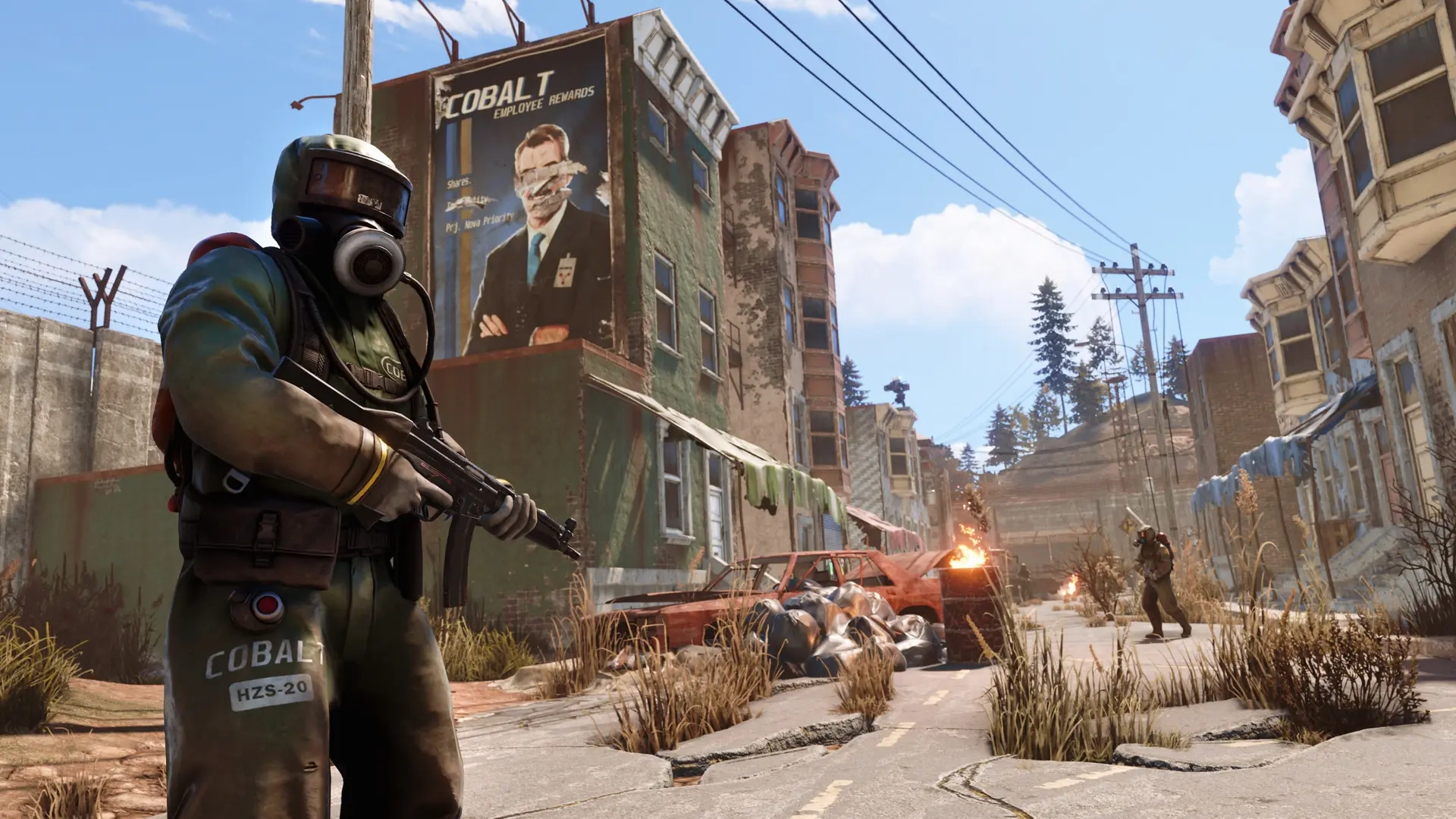
Understanding the efficient use of the Recycler in Rust separates the thriving from the merely surviving. This mechanical beast can produce high yields from leftover junk with careful planning and preparation. So, keep reading this guide, as we help you turn surplus components into fortunes the right way.
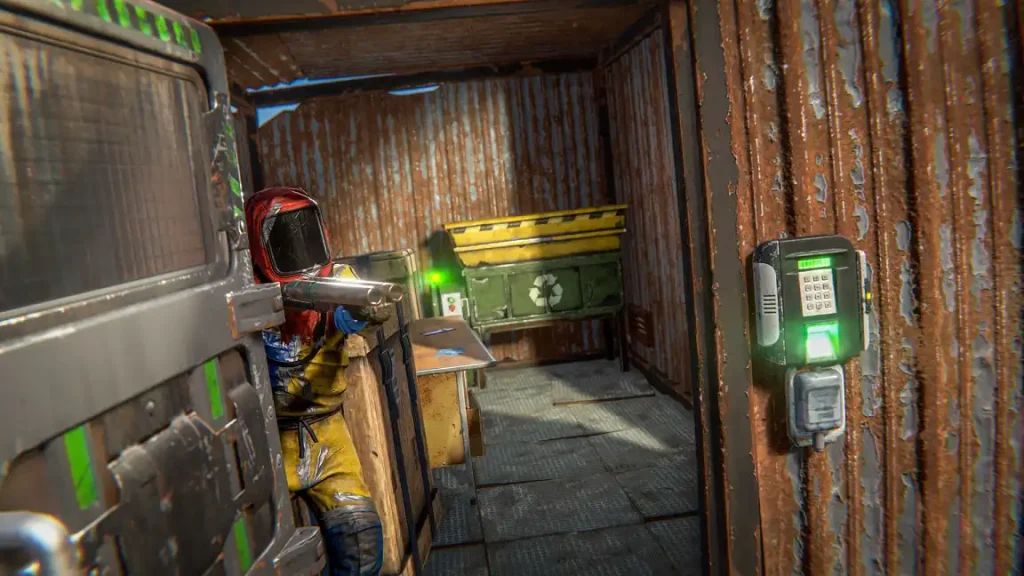 Finding a Recycler in a monument in Rust is basically easy money. This deployed station is a mechanical beast that provides players with Scrap and other items for almost nothing, provided the items are fed into it.
This free-to-use machine acts as the essential converter to items you no longer need, ranging from discarded rifle bodies to your surplus supply of tarps.
However, be mindful, as using the Recycler comes with a steep auditory cost. Activate it, and a loud, industrial error envelops its surroundings, alerting players to your position. Additionally, it can’t recycle everything. So, always prepare for every Recycler run, or else your next excursion might be your last.
Finding a Recycler in a monument in Rust is basically easy money. This deployed station is a mechanical beast that provides players with Scrap and other items for almost nothing, provided the items are fed into it.
This free-to-use machine acts as the essential converter to items you no longer need, ranging from discarded rifle bodies to your surplus supply of tarps.
However, be mindful, as using the Recycler comes with a steep auditory cost. Activate it, and a loud, industrial error envelops its surroundings, alerting players to your position. Additionally, it can’t recycle everything. So, always prepare for every Recycler run, or else your next excursion might be your last.
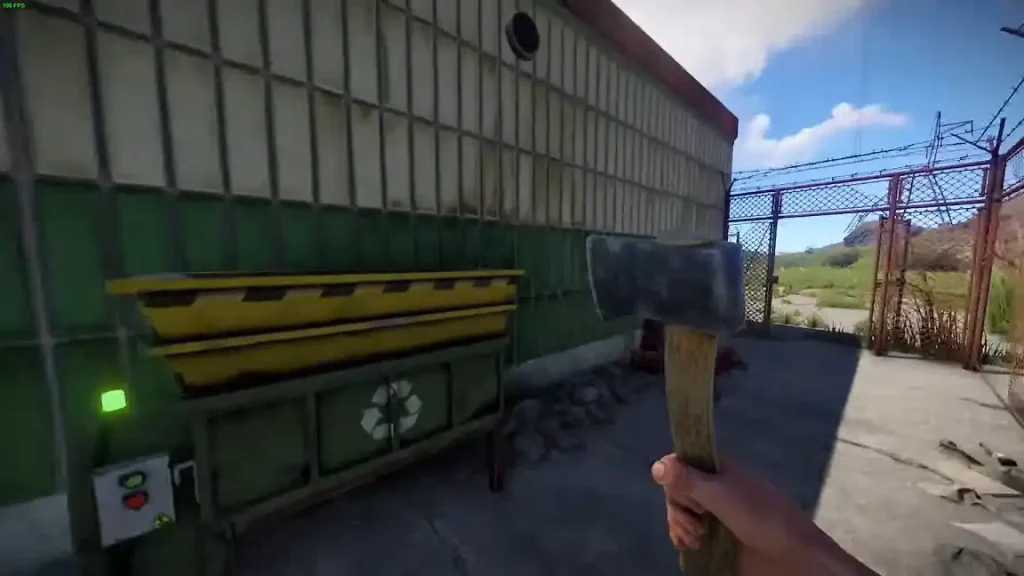 Remember, the Recycler in Rust is a non-craftable workstation. So, it’s ideal to know the locations of this functional structure to plan your recycling runs.
Start by using the Recyclers in Safe Zones, particularly in the Outpost and Bandit Camp. There’s no shame in using these stations, especially after a server wipe or if you’re a Rust beginner.
Once you think you’ve progressed and perhaps gained a few allies, you might want to take on the Recyclers in monuments. The units in the Giant Excavator, Launch Site, and Military Tunnels are great examples, as these locations often drop items that yield more than the average amount of High Quality Metal.
Other Recycler locations in Rust to consider are in the following monuments:
Remember, the Recycler in Rust is a non-craftable workstation. So, it’s ideal to know the locations of this functional structure to plan your recycling runs.
Start by using the Recyclers in Safe Zones, particularly in the Outpost and Bandit Camp. There’s no shame in using these stations, especially after a server wipe or if you’re a Rust beginner.
Once you think you’ve progressed and perhaps gained a few allies, you might want to take on the Recyclers in monuments. The units in the Giant Excavator, Launch Site, and Military Tunnels are great examples, as these locations often drop items that yield more than the average amount of High Quality Metal.
Other Recycler locations in Rust to consider are in the following monuments:
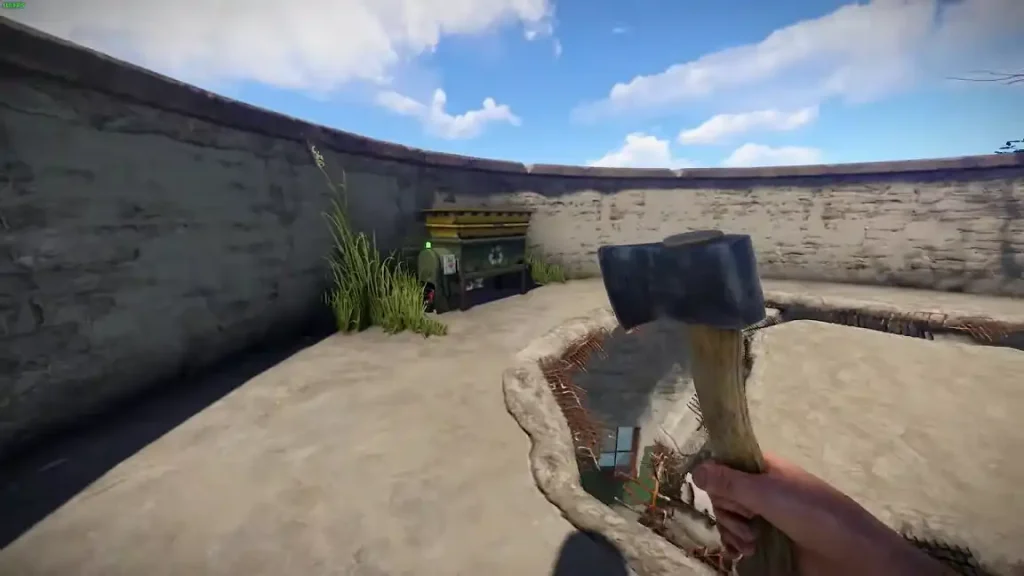 The Recycler primarily converts certain items into valuable resources, including Scrap, High Quality Metal, and Metal Fragments. It accepts up to six stacks of items per recycling operation. Additionally, the quality of your input often dictates the quantity of the output. For example, recycling a Metal Hatchet produces more Metal Fragments than salvaging a Metal Pipe.
It’s also important to mention that this machine’s utility is often heavily defined by its location. Think of it as the classic Rust risk-reward scenario, as using a Recycler in a safe zone yields fewer rewards than taking advantage of one in a PvP-enabled monument.
In particular, a Safe Zone Recycler only yields about 40% of the expected rewards, whereas using the variant in other monuments yields roughly 60% returns. Also, the processing speeds of Recyclers in monuments are generally faster than their safe zone counterparts.
As mentioned earlier, smart recycling is essential for efficient salvaging runs, especially in monuments. So, it’s typically best to have allies within the same Rust server to help you recycle items. An example formation would be for you to focus on recycling while your allies act as guards to put down aggressors that might heed the call of the noisy contraption.
The Recycler primarily converts certain items into valuable resources, including Scrap, High Quality Metal, and Metal Fragments. It accepts up to six stacks of items per recycling operation. Additionally, the quality of your input often dictates the quantity of the output. For example, recycling a Metal Hatchet produces more Metal Fragments than salvaging a Metal Pipe.
It’s also important to mention that this machine’s utility is often heavily defined by its location. Think of it as the classic Rust risk-reward scenario, as using a Recycler in a safe zone yields fewer rewards than taking advantage of one in a PvP-enabled monument.
In particular, a Safe Zone Recycler only yields about 40% of the expected rewards, whereas using the variant in other monuments yields roughly 60% returns. Also, the processing speeds of Recyclers in monuments are generally faster than their safe zone counterparts.
As mentioned earlier, smart recycling is essential for efficient salvaging runs, especially in monuments. So, it’s typically best to have allies within the same Rust server to help you recycle items. An example formation would be for you to focus on recycling while your allies act as guards to put down aggressors that might heed the call of the noisy contraption.
Rust Recycler: An Overview
Finding a Recycler in a monument in Rust is basically easy money. This deployed station is a mechanical beast that provides players with Scrap and other items for almost nothing, provided the items are fed into it.
This free-to-use machine acts as the essential converter to items you no longer need, ranging from discarded rifle bodies to your surplus supply of tarps.
However, be mindful, as using the Recycler comes with a steep auditory cost. Activate it, and a loud, industrial error envelops its surroundings, alerting players to your position. Additionally, it can’t recycle everything. So, always prepare for every Recycler run, or else your next excursion might be your last.
Recycler Locations in Rust
Remember, the Recycler in Rust is a non-craftable workstation. So, it’s ideal to know the locations of this functional structure to plan your recycling runs.
Start by using the Recyclers in Safe Zones, particularly in the Outpost and Bandit Camp. There’s no shame in using these stations, especially after a server wipe or if you’re a Rust beginner.
Once you think you’ve progressed and perhaps gained a few allies, you might want to take on the Recyclers in monuments. The units in the Giant Excavator, Launch Site, and Military Tunnels are great examples, as these locations often drop items that yield more than the average amount of High Quality Metal.
Other Recycler locations in Rust to consider are in the following monuments:
- Supermarket
- Gas Station
- Dome (added in the Meta Shift Update)
- Airfield
- Train Yard
- Small and Large Harbor
- Satellite Dish
How to Use the Recycler in Rust?
The Recycler primarily converts certain items into valuable resources, including Scrap, High Quality Metal, and Metal Fragments. It accepts up to six stacks of items per recycling operation. Additionally, the quality of your input often dictates the quantity of the output. For example, recycling a Metal Hatchet produces more Metal Fragments than salvaging a Metal Pipe.
It’s also important to mention that this machine’s utility is often heavily defined by its location. Think of it as the classic Rust risk-reward scenario, as using a Recycler in a safe zone yields fewer rewards than taking advantage of one in a PvP-enabled monument.
In particular, a Safe Zone Recycler only yields about 40% of the expected rewards, whereas using the variant in other monuments yields roughly 60% returns. Also, the processing speeds of Recyclers in monuments are generally faster than their safe zone counterparts.
As mentioned earlier, smart recycling is essential for efficient salvaging runs, especially in monuments. So, it’s typically best to have allies within the same Rust server to help you recycle items. An example formation would be for you to focus on recycling while your allies act as guards to put down aggressors that might heed the call of the noisy contraption.
Rust Recycler Recycle Chart
- Tech Trash: 20-24x Scrap and 1x High Quality Metal
- Semi-Automatic Body: 15x Scrap, 2x High Quality Metal, and 75x Metal Fragments
- SMG Body: 15x Scrap and 2x High Quality Metal
- Rifle Body: 25-30x Scrap and 2x High Quality Metal
- Gears: 12x Scrap and 13x Metal Fragments
- Metal Pipe: 5-6x Scrap, 1x High Quality Metal, and 5x Metal Fragments
- Road Signs: 5-6x Scrap, 1x High Quality Metal, and 5x Metal Fragments
- Empty Propane Tank: 1x Scrap and 50x Metal Fragments
- Metal Blade: 3x Scrap and 15x Metal Fragments
- Tarp: 50x Cloth
- Rope: 36x Cloth
- Sewing Kit: 2x Scrap and 24x Cloth
- Sheet Metal: 8x Scrap, 1x High Quality Metal, and 100x Metal Fragments
- Metal Spring: 6x Scrap, 1x High Quality Metal, and 10x Metal Fragments
- Electric Fuse: 24x Cloth
- Metal Hatchet: 90x Metal Fragments and 30x Cloth
- Metal Pickaxe: 90x Metal Fragments and 30x Cloth
- CCTV Camera: 20-24x Scrap and 2x High Quality Metal
- Targeting Computer: 20-24x Scrap and 3x High Quality Metal
- Auto Turret (Unplaced): 20-24x Scrap and 2x High Quality Metal
Join our Newsletter
Subscribe for the latest updates on all things gaming!

How would you rate this blog?
Share your opinion and help us make our blogs even better!
Didn't like
Neutral
Liked

Need a game server?
Rent a game server where you and your friends can play privately with low latency and custom settings. Choose from 110+ games, invite people from around the globe, and enjoy private matches, or build your own online community with your own rules.

Relevant Blogs






GET THE INSIDE SCOOP!
Join our email for updates on our hosted games, company news and exclusive deals. Stay in the loop!