7 Days to Die 3.0 Settings Guide: Best Graphics Settings for Optimization & Performance
发布于 ,作者

分享:

分享至 X

分享至 Facebook

分享至 Threads

分享至 Bluesky

复制到剪贴板

通过电子邮件分享
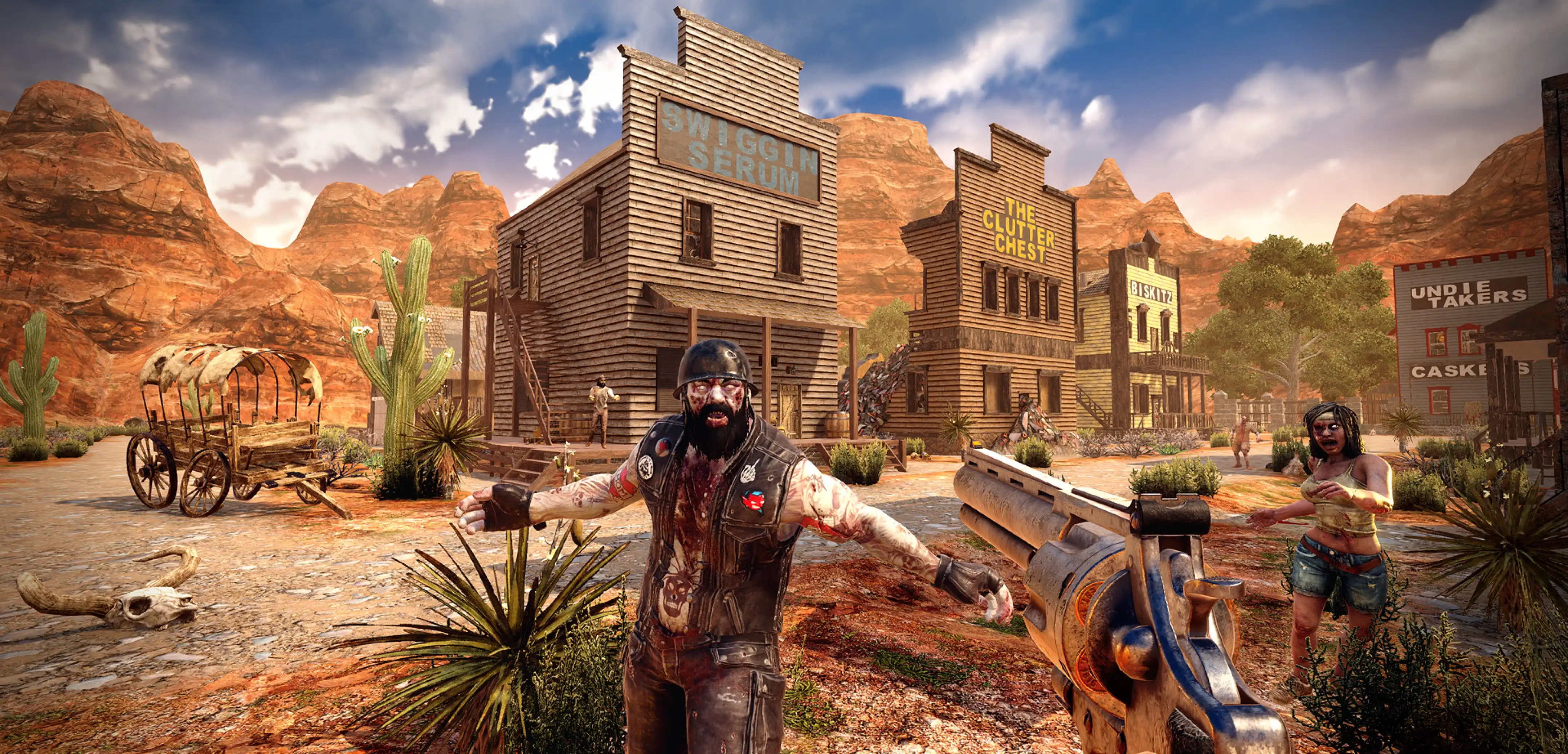
Sometimes, surviving the seventh night isn't about your weapons or base design. Instead, it might be your graphics settings holding you back. With the full launch of 7 Days to Die 3.0, you’ll want to make sure your graphics settings are up-to-date. We can give you a heads-up on the best 7 Days to Die graphics settings for performance, as well as the best gameplay features that transform the zombie-slaying experience.
 Before changing any graphics options, make sure your PC meets the game's recommended system requirements.
7 Days to Die 3.0 Minimum System Requirements
Before changing any graphics options, make sure your PC meets the game's recommended system requirements.
7 Days to Die 3.0 Minimum System Requirements
 These are the in-game settings that will have the largest overall impact on performance. You'll want to tinker with these the most, since they'll yield different results depending on your PC's specs. They can be found in the game's video settings within the Video settings in the "Quality" tab.
Here, View Distance, Object Quality, and Terrain Quality are among the biggest FPS hitters, especially in dense crowds of the undead. While these are our suggestions, make sure you pay close attention to how your game performs. Make adjustments as necessary so you can continue to find the sweet spot for your game.
These are the in-game settings that will have the largest overall impact on performance. You'll want to tinker with these the most, since they'll yield different results depending on your PC's specs. They can be found in the game's video settings within the Video settings in the "Quality" tab.
Here, View Distance, Object Quality, and Terrain Quality are among the biggest FPS hitters, especially in dense crowds of the undead. While these are our suggestions, make sure you pay close attention to how your game performs. Make adjustments as necessary so you can continue to find the sweet spot for your game.
Best Graphics Settings in 7 Days to Die 3.0
Before changing any graphics options, make sure your PC meets the game's recommended system requirements.
7 Days to Die 3.0 Minimum System Requirements
- OS: Windows 10 64-bit
- Processor: Quad-Core CPU (2.8 GHz or faster)
- Memory: 8 GB RAM
- Graphics: DirectX 11 compatible GPU with 2 GB VRAM
- DirectX: Version 11
- Storage: SSD strongly recommended
- OS: Windows 10/11 64-bit
- Processor: Modern 6-core CPU or better
- Memory: 16 GB RAM
- Graphics: NVIDIA RTX 3060 / AMD RX 6700 XT or equivalent
- DirectX: Version 12
- Storage: SSD
Display Settings
These changes can be found within the game's Video settings in the Display tab. Most of these won't affect your game's overall performance too much. However, the upscaler mode can make a difference based on your computer's specs. If you want a more balanced experience between image quality and performance, the upscaler mode is best when set to Balanced. Meanwhile, despite the fact that there is a Performance setting within the upscaler presets, turning the upscaler off entirely can help performance even further.Best Balanced Settings
- Resolution: 1920x1080
- Fullscreen: On
- Upscaler Mode: On
- Upscaler Preset: Balanced
- VSync: Half
- FPS Limit: Off
- Brightness: 50%
Best Performance Settings
- Resolution: 1920x1080
- Fullscreen: On
- Upscaler Mode: Off
- VSync: Half
- FPS Limit: 60
- Brightness: 50%
Graphics Settings
These are the in-game settings that will have the largest overall impact on performance. You'll want to tinker with these the most, since they'll yield different results depending on your PC's specs. They can be found in the game's video settings within the Video settings in the "Quality" tab.
Here, View Distance, Object Quality, and Terrain Quality are among the biggest FPS hitters, especially in dense crowds of the undead. While these are our suggestions, make sure you pay close attention to how your game performs. Make adjustments as necessary so you can continue to find the sweet spot for your game.
Best Balanced Settings
- Anti-Aliasing: Temporal
- AA Sharpening: 50%
- Texture Quality: Full
- Texture Filter: High
- Reflection Quality: Medium
- Refelected Shadows: Off
- Shadows Distance: High
- Shadows Quality: High
- Particles: 50%
- View Distance: Medium
- LOD Distance: 75%
- Terrain Quality: High
- Water Quality: High
- Grass Distance: Medium
- Object Quality: Medium
- Occlusion: On
- Bloom: On
- Motion Blur: Simple
- SSAO: On
- SS Reflections: Medium
- Sun Shafts: On
- Sign Quality: High
Best Performance Settings
- Anti-Aliasing: Low
- AA Sharpening: 0%
- Texture Quality: Quarter
- Texture Filter: Low
- Reflection Quality: Off
- Refelected Shadows: Off
- Shadows Distance: Low
- Shadows Quality: Low
- Particles: 20%
- View Distance: Low
- LOD Distance: 25%
- Terrain Quality: Low
- Water Quality: Low
- Grass Distance: Low
- Object Quality: Low
- Occlusion: On
- Bloom: Off
- Motion Blur: Off
- SSAO: Off
- SS Reflections: Low
- Sun Shafts: Off
- Sign Quality: Low
Dynamic Mesh Settings
Dynamic Mesh allows distant points of interest to render more accurately. A destroyed building, for example, will look more destroyed if your Dynamic Mesh is enabled. However, these settings can be a huge tax on your overall performance.Best Balanced Settings
- Dynamic Mesh Enabled: Yes
- Mesh Distance: 1000
- Mesh Quality: Yes
- Land Claim Only: Yes
- Land Claim Buffer: 3
- Max Region Loads: 1
- Max Mesh Processing: 3
Best Performance Settings
- Dynamic Mesh Enabled: No
Additional Performance & Optimization Tips
Graphics settings aren't the only way to improve performance in 7 Days to Die. Try some of these if your game still isn't running as well as you'd like:- Install the game on an SSD.
- Close unnecessary background applications before launching the game.
- Update graphics drivers regularly.
- Enable your monitor's refresh rate within Windows.
- Keep GPU temperatures under control to prevent thermal throttling.
- Restart the game after long play sessions if performance begins to degrade.

您对这篇博客有何评价?
分享您的看法,帮助我们将博客做得更好!
不喜欢
一般
喜欢

需要游戏服务器吗?
租用一台游戏服务器,您可以和朋友们在极低延迟和自定义设置下私密游玩。从 110+ 款游戏中挑选您的最爱,邀请全球玩家,享受私密对战,或者按照您自己的规则建立属于您的在线社区。







获取第一手独家资讯!
订阅我们的电子邮件,获取有关我们托管游戏、公司新闻和独家优惠的最新动态。随时掌握一手资讯!