
Project Zomboid Composter Guide: How to Build, Use, & More
Opublikowano przez

Udostępnij:

Udostępnij na X

Udostępnij na Facebooku

Udostępnij na Threads

Udostępnij na Bluesky

Skopiuj do schowka

Udostępnij przez e-mail
Resources are scarce with the undead taking over Knox County. Survivors can’t go on looting runs forever, as survival leans towards sustainable systems. One notable resource that can help build sustainable farms and lead to a steady supply of food is compost. The Composter in Project Zomboid is your go-to workstation to make this resource, and this guide shows you how to build and use it.
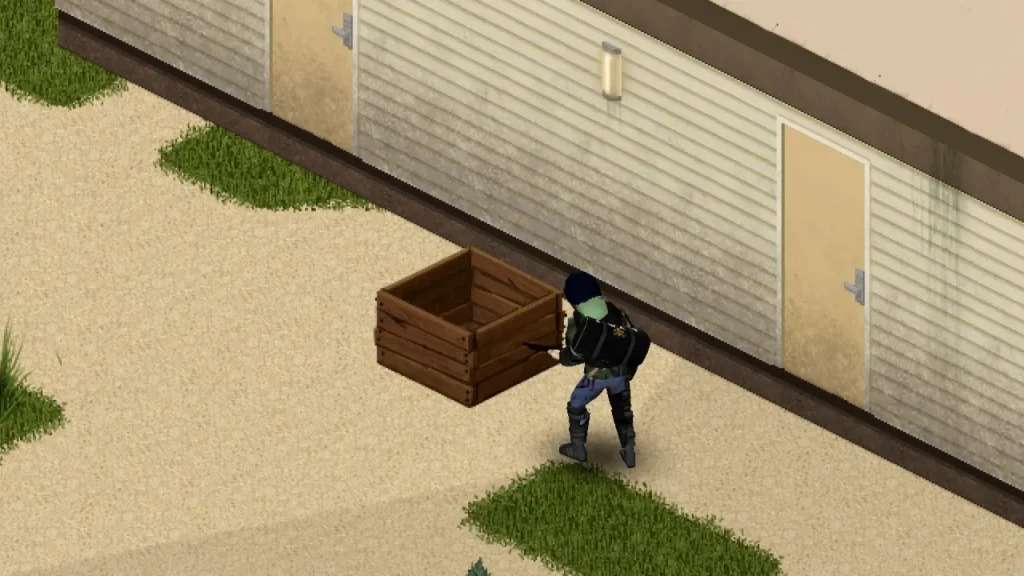 The Composter in Project Zomboid is a farming workstation that converts organic waste into usable compost. With the release of Version 42.20, it’s especially valuable, as farming now involves longer growth cycles and more defined growing seasons.
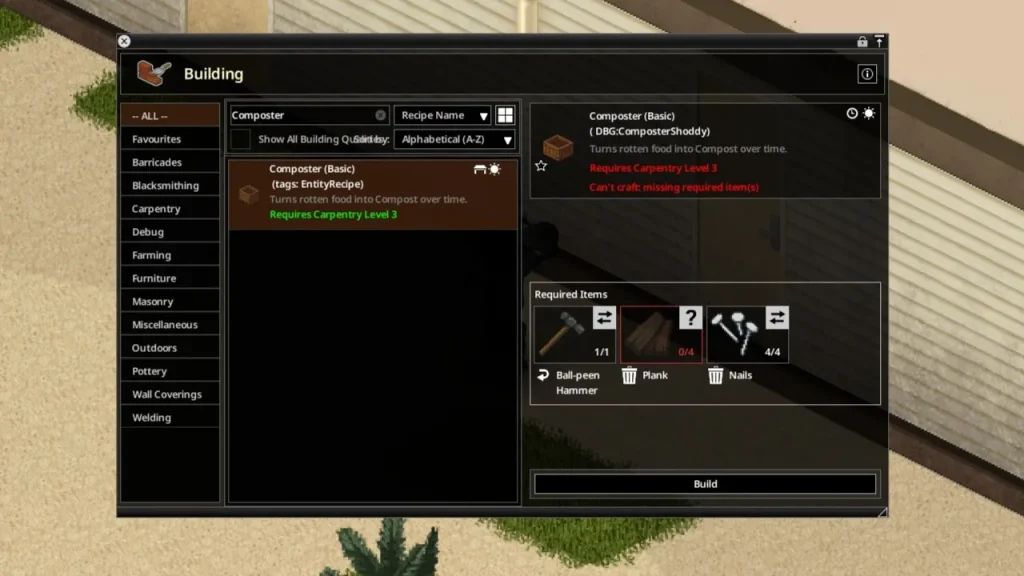 As of Project Zomboid Build 42, survivors can build one of two Composter qualities: Shoddy and Craftsman. The Shoddy Composter becomes available at Carpentry Lv. 3. On the other hand, unlocking the Craftsman Composter is possible at Carpentry Lv. 6. Both Composter qualities cost 4x Plank and 4x Nails, and require a hammer to start and complete the building operation. Additionally, building the Shoddy Composter grants 30 Carpentry XP, while crafting its Craftsman variant yields 60 Carpentry XP.
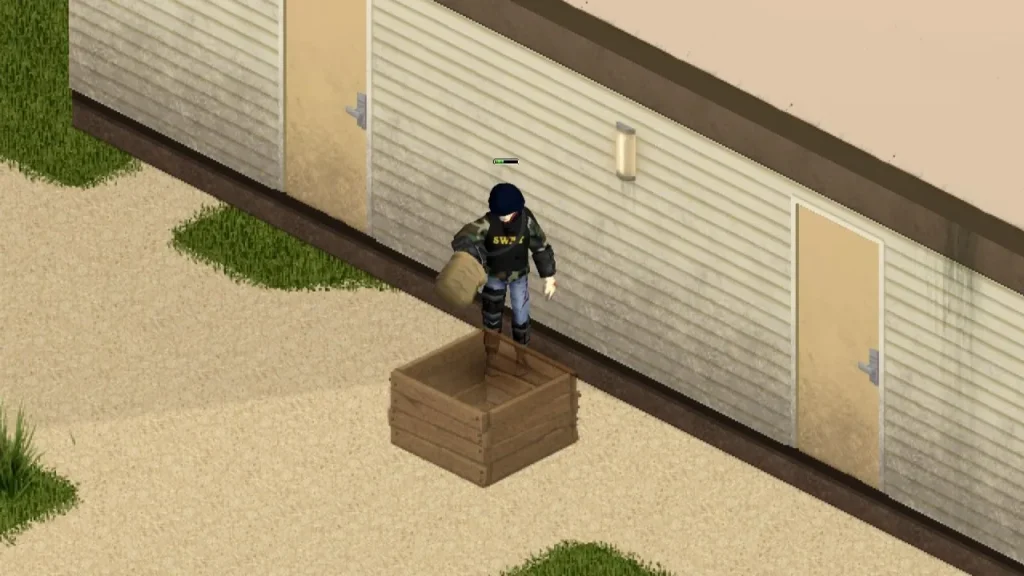 First, it’s important to mention that it takes about two in-game weeks for the Composter to convert rotten food into compost at default sandbox settings. Unlike other survival sandbox titles, wherein item refinements and transformations only take mere seconds, Project Zomboid requires players to take it slow.
Once the compost is ready, use an Empty Sack to collect it. If you are lost in Project Zomboid's many menus and submenus, navigate to the Gardening submenu. Here, you can issue the command to gather the compost from the Composter.
As for what to put in the Composter, rotten or spoiled food is the way to go. Doing so makes abandoned kitchens, warehouses, and farms valuable sites for future fertilizer production. An alternative is to gather animal dung, especially for Build 42 players who want to take advantage of animal husbandry.
So, never waste rot when you have a working Composter. Start early, as it takes a while for the ingredients to transform into usable compost. Treat this workstation as part of a production chain, and you should have a steady supply of fertilizer that might last you through the end of this apocalypse.
First, it’s important to mention that it takes about two in-game weeks for the Composter to convert rotten food into compost at default sandbox settings. Unlike other survival sandbox titles, wherein item refinements and transformations only take mere seconds, Project Zomboid requires players to take it slow.
Once the compost is ready, use an Empty Sack to collect it. If you are lost in Project Zomboid's many menus and submenus, navigate to the Gardening submenu. Here, you can issue the command to gather the compost from the Composter.
As for what to put in the Composter, rotten or spoiled food is the way to go. Doing so makes abandoned kitchens, warehouses, and farms valuable sites for future fertilizer production. An alternative is to gather animal dung, especially for Build 42 players who want to take advantage of animal husbandry.
So, never waste rot when you have a working Composter. Start early, as it takes a while for the ingredients to transform into usable compost. Treat this workstation as part of a production chain, and you should have a steady supply of fertilizer that might last you through the end of this apocalypse.
What is the Composter in Project Zomboid?
The Composter in Project Zomboid is a farming workstation that converts organic waste into usable compost. With the release of Version 42.20, it’s especially valuable, as farming now involves longer growth cycles and more defined growing seasons.
How to Build the Composter
As of Project Zomboid Build 42, survivors can build one of two Composter qualities: Shoddy and Craftsman. The Shoddy Composter becomes available at Carpentry Lv. 3. On the other hand, unlocking the Craftsman Composter is possible at Carpentry Lv. 6. Both Composter qualities cost 4x Plank and 4x Nails, and require a hammer to start and complete the building operation. Additionally, building the Shoddy Composter grants 30 Carpentry XP, while crafting its Craftsman variant yields 60 Carpentry XP.
Using the Composter in Project Zomboid
First, it’s important to mention that it takes about two in-game weeks for the Composter to convert rotten food into compost at default sandbox settings. Unlike other survival sandbox titles, wherein item refinements and transformations only take mere seconds, Project Zomboid requires players to take it slow.
Once the compost is ready, use an Empty Sack to collect it. If you are lost in Project Zomboid's many menus and submenus, navigate to the Gardening submenu. Here, you can issue the command to gather the compost from the Composter.
As for what to put in the Composter, rotten or spoiled food is the way to go. Doing so makes abandoned kitchens, warehouses, and farms valuable sites for future fertilizer production. An alternative is to gather animal dung, especially for Build 42 players who want to take advantage of animal husbandry.
So, never waste rot when you have a working Composter. Start early, as it takes a while for the ingredients to transform into usable compost. Treat this workstation as part of a production chain, and you should have a steady supply of fertilizer that might last you through the end of this apocalypse.Zapisz się do newslettera
Subskrybuj, aby otrzymywać najnowsze informacje ze świata gier!

Dołącz do naszego Discorda
Zostań częścią naszej społeczności ponad 20,000 podobnie myślących członków!
Jak oceniasz ten wpis?
Podziel się swoją opinią i pomóż nam tworzyć jeszcze lepsze artykuły!
Nie podobał mi się
Neutralnie
Podobał mi się

Potrzebujesz serwera do gry?
Wynajmij serwer gier, na którym Ty i Twoi znajomi możecie grać prywatnie z niskim opóźnieniem i własnymi ustawieniami. Wybieraj spośród 110+ gier, zaproś ludzi z całego świata i ciesz się prywatnymi rozgrywkami lub zbuduj własną społeczność online z własnymi zasadami.

Powiązane wpisy







BĄDŹ NA BIEŻĄCO!
Dołącz do naszego newslettera, aby otrzymywać informacje o naszych hostowanych grach, nowościach firmowych i ekskluzywnych ofertach. Bądź na bieżąco!